Subdivision
Plan printable parts around detail, seams, assembly access and the selected process.
Bring scale-model files or references for a manufacturing review. We help define printable components, materials, surface preparation and assembly requirements.
Plan printable parts around detail, seams, assembly access and the selected process.
Review material, orientation, quantity and minimum features before production.
Identify joining, surface preparation, paint, labels, base interfaces and packing as separate scope items.
For a finished exhibition outcome including presentation planning, base and project coordination, explore Uplink Automation’s exhibition scale-model service.
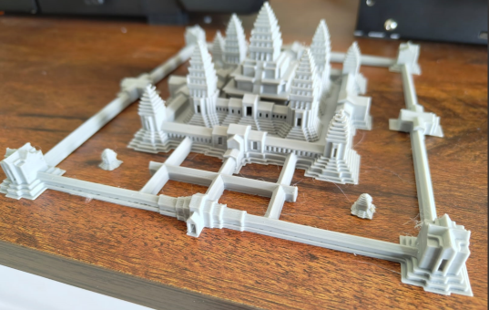
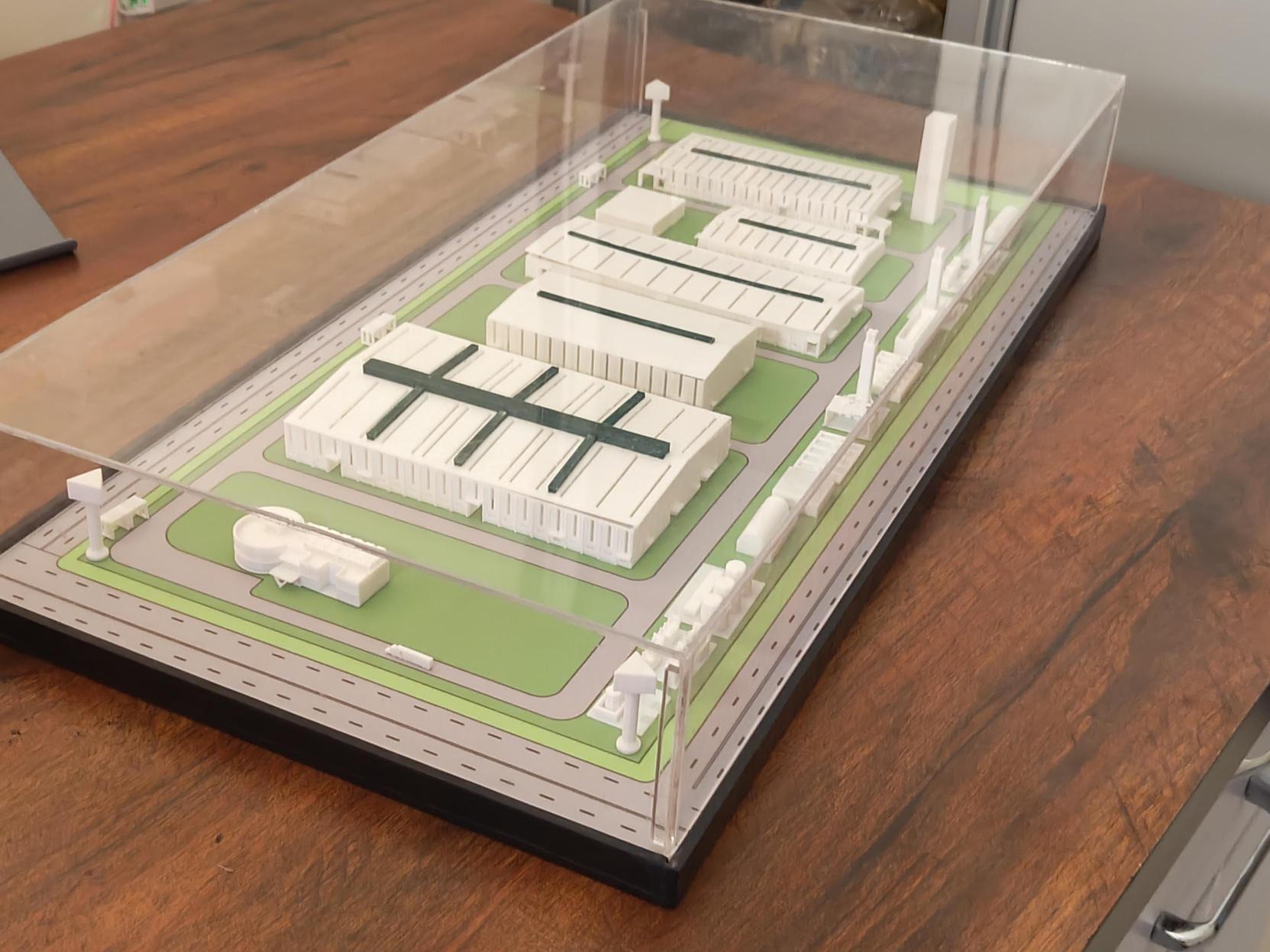

The architectural component photograph shows separate pieces; the site-model photographs show the assembled arrangement and a clear cover. Define the assembly boundary, locating features, seams, visible faces and cover/base interfaces before splitting a model. Large assemblies can be planned as component sets; one-piece equipment limits are confirmed for the actual job.
These images provide visual context. Dimensions, material grades and client identity are not inferred from them. For the complete exhibition outcome, use the Uplink service linked below.
Plan split lines, alignment, visible seams and packing before a large printed model becomes a collection of separate components.
Calculate the footprint, choose readable details and plan the base around the question your architectural model needs to answer.
Identify supplied files, intended scale, total assembly envelope and the quantity of each component. Mark visible seams, locating features and interfaces to a base or cover. Ask the review to distinguish component printing from design reconstruction, joining, finish and final assembly.
Use the finish specification card and file handover checklist. For a finished exhibition outcome with display planning, see Uplink exhibition scale models.